
Introduction
Most buyers treat engine coolant as a winter problem—something that stops the block from freezing. For a water pump, coolant is far more important than that. It is the pump seal’s only lubricant, the bearing’s cooling medium, and the fluid that keeps electrolysis and corrosion away from the impeller. Get the coolant type or the circulation wrong, and even a premium OEM pump fails early.
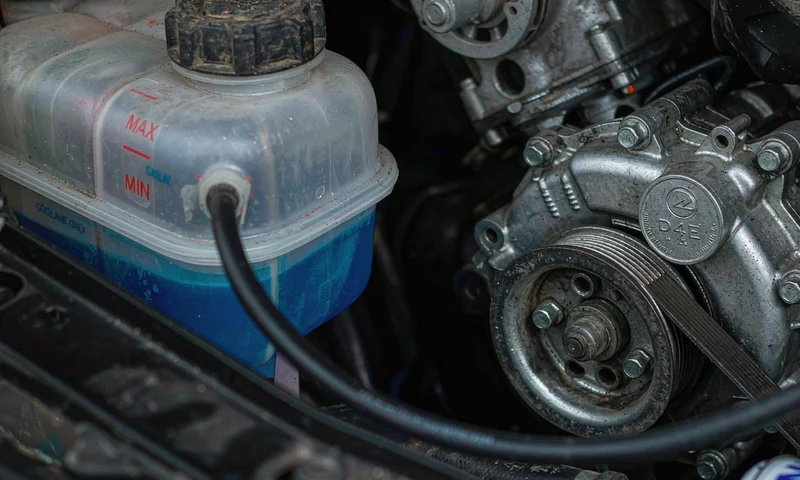
This guide is written for distributors, parts buyers and B2B procurement teams who need to understand why coolant compatibility belongs on the pump specification sheet—not just in the owner’s manual. It draws on KOME’s experience supplying 500+ auto water pump SKUs with OEM cross-references to AISIN, GATES and HEPU for the global aftermarket.
Why coolant is the water pump's lifeline
A mechanical water pump seals its shaft with a carbon-ceramic mechanical seal that is kept cool and lubricated by the very coolant it pumps. Two failure modes dominate when coolant is neglected:
- Seal dry-out. Low coolant level or air in the loop lets the seal run dry, overheat and crack. The first symptom is usually a weep-hole drip.
- Electrolysis & corrosion. Old or wrong coolant becomes conductive, eating the impeller and the alloy housing from the inside out.
KOME specifies seal and bearing grades per application precisely because coolant chemistry varies by market. When you source OEM-grade auto water pumps, confirm the seal is rated for the coolant type your region uses.
Coolant types explained: IAT vs OAT vs HOAT
Not all antifreeze protects a pump the same way. The three families matter for seal life and for mixing rules:
| Type | Typical use | Pump-relevant note |
| IAT (Inorganic Acid Tech) | Older EU / US cars, green fluid | Needs 2-year change; silicates protect but wear the seal if over-concentrated |
| OAT (Organic Acid Tech) | Modern GM / VW / many Asians, orange/pink | Long-life 5 yrs; low-silicate, gentler on seals |
| HOAT (Hybrid OAT) | Ford / Chrysler / Euro, yellow/turquoise | Balanced protection; the safe default for mixed fleets |
Rule of thumb for B2B buyers: never assume one coolant fits every SKU. Stocking HOAT-compatible pumps covers the widest range without forcing a seal compromise.
How coolant circulation protects the pump
Circulation is what carries heat away from the bearing seat. Correct flow rate does three things:
- Keeps the mechanical seal below its temperature limit, preventing the epoxy that holds it from softening.
- Flushes micro-debris before it can score the seal faces.
- Maintains pressure balance so the weep hole stays a safety vent, not a leak path.
That is why a pump that is correctly specified for the engine’s flow demand outlasts a stronger pump mismatched to the loop.
When coolant turns against the pump
The same fluid that protects a pump can destroy it. The usual culprits:
- Wrong mixture. Over-concentrated coolant (above 70%) loses heat-transfer ability and lubricity; pure water invites corrosion.
- Contamination. Oil or stop-leak additive coats the seal and shortens life.
- Electrolysis. A bad ground lets current flow through the coolant, pitting the impeller—visible as a weep-hole weep that is actually chemical attack.
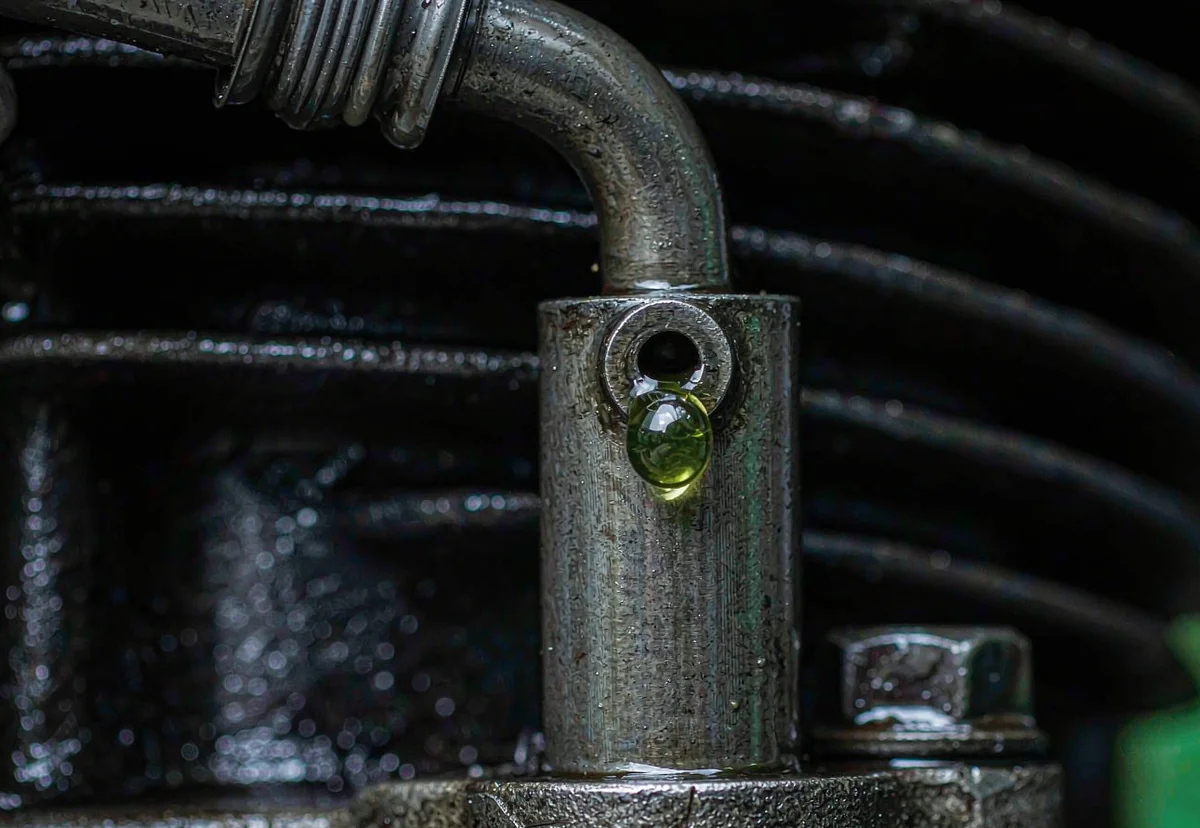
A weep-hole drip is the seal’s early-warning signal. Our dedicated article on why a new pump may still leak coolant walks through the causes so your customers can tell a real failure from a break-in weep.
B2B buying guidance: spec coolant-compatible pumps
When you build a water pump program for your market, treat coolant as a spec input, not an afterthought:
- Confirm the seal and bearing grade against the dominant coolant type in your region.
- Bundle the pump with the correct coolant recommendation on the shelf card.
- After every replacement, bleed the cooling system correctly so no air sits against the seal.
- Stock new water pump for car SKUs that are validated across IAT/OAT/HOAT to reduce returns.
Source coolant-compatible OEM water pumps for your market
KOME supplies 500+ SKUs of OEM-grade auto water pumps engineered for long seal life across IAT, OAT and HOAT coolants. Request distributor pricing, MOQ and OEM cross-reference support.
Frequently asked questions
What type of coolant should I use with my water pump?
Use the coolant the vehicle maker specifies—typically OAT or HOAT for modern engines. The pump seal is rated for that chemistry; switching to a high-silicate IAT without confirmation can accelerate seal wear. HOAT is the safest default for mixed fleets.
Why is my water pump leaking coolant from the weep hole?
The weep hole is a vent for the mechanical seal. A few drops during break-in is normal; a steady drip means the seal has failed from dry-running, contamination or electrolysis. Replace the pump and fix the coolant condition that caused it.
How does coolant circulation affect water pump bearing life?
Flow carries heat away from the bearing seat. Low flow, air pockets or a mismatched pump lets the bearing overheat, softening the seal bond and shortening life. Correct flow-rate specification is the cheapest insurance.
Can old or contaminated coolant destroy a water pump?
Yes. Old coolant loses its corrosion inhibitors and becomes conductive, causing electrolysis that pits the impeller. Stop-leak and oil contamination coat the seal. Flush on schedule and never top up with unknown additive.
How do I bleed the cooling system after water pump replacement?
Refill slowly with the front raised, run the engine with the heater on, and open the bleed valve or squeeze hoses until no bubbles exit. Trapped air against the seal causes instant overheating—see our step-by-step bleed guide.
Does coolant type affect warranty on OEM water pumps?
Most warranties exclude failures caused by wrong or contaminated coolant, because the damage is chemical, not manufacturing. Documenting the correct coolant on the shelf card protects both you and the end user.
Related resources
- How to bleed the cooling system after water pump replacement
- Why is my new water pump leaking? Causes and prevention
- Auto water pump diagram: a complete guide
Written by the KOME technical team. KOME is a B2B supplier of 500+ OEM-cross-referenced auto water pump SKUs for global distributors.