
Introduction
Passenger-car electric coolant pumps are one of the fastest-growing categories in automotive thermal management. As EVs and hybrids replace belt-driven cooling with on-demand electric pumps, distributors who stock the right SKUs now are positioned for the next replacement cycle. This B2B briefing sizes the 2026 opportunity and gives a practical sourcing checklist.
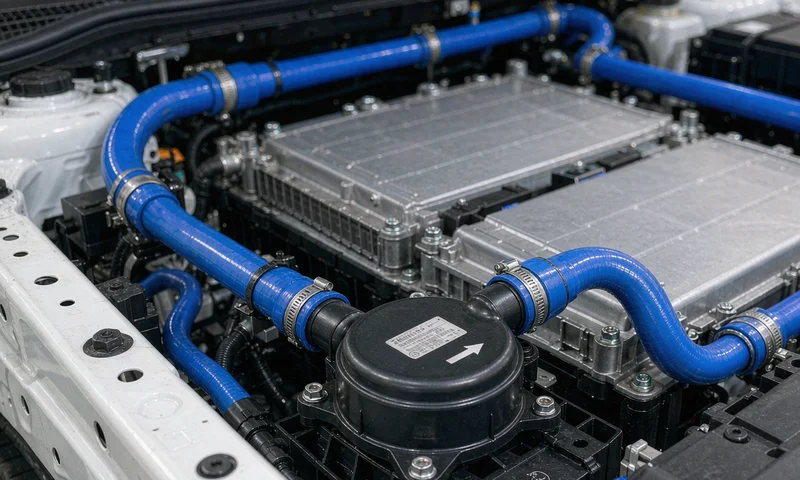
KOME supplies electric and mechanical auto water pumps with OEM cross-references to AISIN, GATES and HEPU, and this analysis reflects what we hear from distributors across EU, JP and US channels.
The 2026 electric coolant pump market at a glance
While exact figures vary by analyst, the automotive electric coolant pump segment is consistently forecast to grow at a double-digit CAGR—commonly cited in the ~10–15% range through 2030—driven by EV and hybrid adoption. The demand shows up clearly in top-funnel search: terms like electric coolant pump market, automotive electric water pump market and electric coolant pump for passenger car market now sit alongside traditional “water pump” queries as distinct B2B information needs.
For distributors, the signal is simple: the buyer pool is splitting into two—mechanical-pump replacement (steady, mature) and electric-pump fitment (growing, higher unit value).
Why EVs are moving from mechanical to electric pumps
A belt-driven pump runs whenever the engine turns. An electric coolant pump runs only when cooling is needed. That difference matters for three reasons:
- Efficiency. No parasitic belt load; the motor draws only on demand.
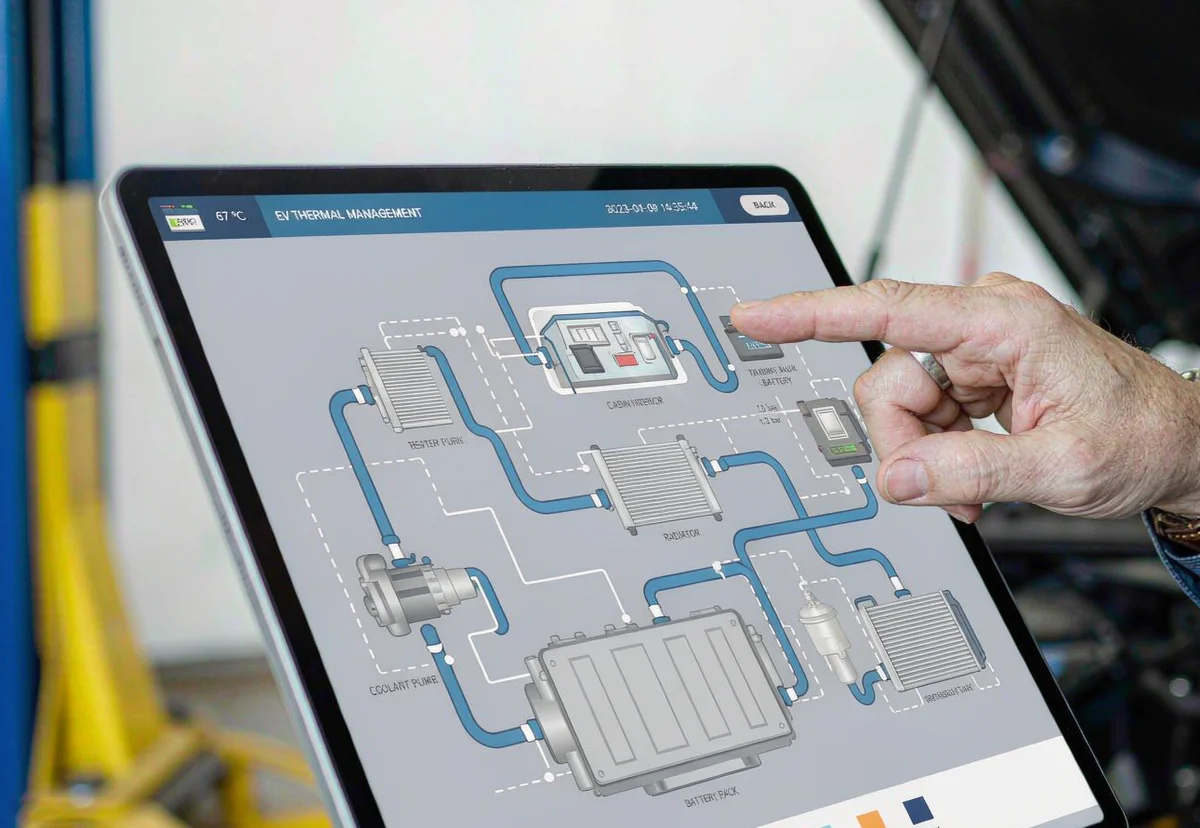
- Packaging. An electric pump can sit anywhere in the loop, not just where the belt reaches—critical for battery and inverter cooling.
- Control. The ECU modulates flow by temperature, protecting the electric vs mechanical water pump trade-off in real time.
What distributors should spec in an EV coolant pump
Electric pumps are not interchangeable. When you evaluate a SKU, check:
- Voltage class. 12V for legacy and mild-hybrid; 24V/48V for dedicated EV auxiliaries. Match to the target platform.
- Flow & head rating. Battery loops need different curves than cabin heating.
- Materials. The impeller and housing must resist the specific EV coolant (often low-conductivity, different pH from IAT).
- Validation. IP rating, thermal cycle and life-test data should ship with the SKU.
Our EV water pump selection and selling guide breaks each spec down for sales teams.
Sourcing strategy: choosing a China EV pump supplier
Most global EV pump volume is sourced from Asia. A disciplined distributor shortlist looks at:
- Cross-reference depth. Can the supplier map to AISIN / GATES / HEPU OEM numbers? See the types of auto electric water pumps KOME covers per application.
- MOQ & lead time. EV pumps carry higher unit value; buffer stock planning matters more than for mechanical pumps.
- Certifications. IATF 16949 is the baseline for OEM-adjacent supply.
- Warranty terms. Compare coverage the way this new water pump for car program documents it.
Request KOME’s 2026 EV pump catalog & MOQ pricing
Get the 12V/24V/48V electric coolant pump line with OEM cross-references, IATF 16949 backing and distributor MOQ tiers. Talk to our B2B team for a tailored quote.
Frequently asked questions
How big is the electric coolant pump market in 2026?
Analysts place the automotive electric coolant pump segment in the hundreds-of-millions USD range and forecast double-digit CAGR through 2030. Exact size depends on whether battery, inverter and cabin loops are counted together, but the growth direction is unanimous.
What is the growth rate (CAGR) of the EV water pump market?
Most published forecasts cluster around 10–15% CAGR to 2030, outpacing the mechanical pump aftermarket. The driver is EV and hybrid penetration plus the addition of separate battery and power-electronics cooling loops.
Why are EVs switching from mechanical to electric water pumps?
Electric pumps run only on demand, remove parasitic belt load, and can be placed anywhere in the loop for battery and inverter cooling. The ECU modulates flow by temperature for better efficiency and protection.
Electric vs mechanical water pump—which is better for EVs?
For EVs and hybrids, electric pumps win on efficiency, packaging and control. Mechanical pumps remain the right call for most combustion-engine replacements where a belt already drives the accessory load.
What should distributors look for when sourcing EV coolant pumps?
Voltage class (12/24/48V), flow and head rating, coolant-material compatibility, validation data, MOQ/lead time, IATF 16949 certification, and OEM cross-reference coverage. These separate a catalog filler from a sellable SKU.
How do I choose a reliable EV water pump supplier in China?
Shortlist on cross-reference depth to AISIN/GATES/HEPU, IATF 16949, published warranty terms, and responsive MOQ tiers. Ask for life-test and thermal-cycle reports before committing to a volume order.
Related resources
- Comprehensive guide to selecting and selling EV water pumps
- Electric vs mechanical water pump: cooling efficiency guide
- Types of auto electric water pump
Written by the KOME technical team. KOME is a B2B supplier of mechanical and electric auto water pumps with global distributor support.