
Introduction
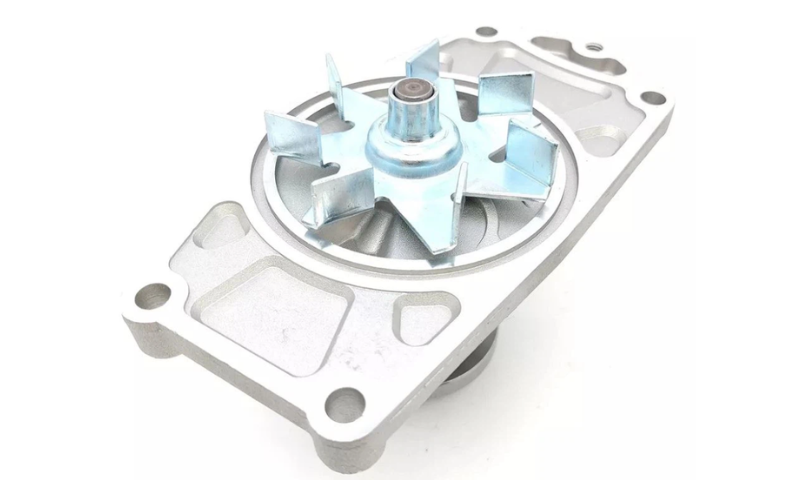
A new water pump is critical to your vehicle’s cooling system, but many drivers install one and assume the job is done. In reality, proper testing and ongoing care are what protect your engine from overheating, leaks, and costly breakdowns. If you’ve just installed a New Water Pump for Car or are planning to upgrade soon, this guide will walk you through exactly what to check, how to maintain it, and how to maximize its lifespan — so you can drive with confidence and avoid unexpected repairs.
Why Testing a New Water Pump Matters

Installing a new water pump doesn’t automatically guarantee optimal performance. Without proper testing, you risk:
-
Coolant leaks that lead to overheating
-
Poor circulation causing engine hotspots
-
Premature seal or bearing failure
A quick inspection after installation helps you catch issues early and protects your investment — especially if you’ve chosen a high-quality option like KOME New Water Pump for Car.
How to Test a New Water Pump (Step by Step)
1. Check for Visible Leaks
Start the engine and let it idle until it reaches operating temperature. Look around:
-
Pump housing
-
Gasket area
-
Weep hole
Any coolant dripping or residue is a sign something isn’t sealed correctly.
2. Monitor Engine Temperature
Watch your temperature gauge during the first few drives. A stable reading means your new water pump is circulating coolant properly. Rising temperatures may indicate trapped air, belt issues, or a defective pump.
3. Listen for Unusual Noises
A healthy pump runs quietly. Grinding, squealing, or whining sounds may suggest bearing problems or improper belt tension.
4. Inspect Belt Alignment and Tension
If your pump is belt-driven, make sure:
-
The belt sits correctly in the pulley grooves
-
There’s no slipping or wobbling
-
Tension matches manufacturer specs
Improper tension is one of the most common causes of early water pump failure.
Essential Water Pump Maintenance Tips
Regular water pump maintenance keeps your cooling system reliable and helps your pump last longer.
Use the Right Coolant
Always use the coolant type recommended by your vehicle manufacturer. The wrong coolant can cause corrosion, seal damage, and reduced heat transfer.
Flush the Cooling System Periodically
Old coolant carries rust, scale, and debris that can wear down your new water pump. A full system flush every 2–3 years (or per manufacturer guidance) protects internal components.
Inspect Hoses and Connections
Cracked hoses, loose clamps, or brittle seals can strain your pump and cause leaks. Replace damaged parts early to prevent cascading failures.
Keep an Eye on Coolant Levels
Low coolant means reduced circulation and higher engine temperatures. Check your reservoir regularly and top off as needed.
Signs Your New Water Pump May Be Failing
Even high-quality units can develop issues if neglected. Watch for:
-
Engine overheating
-
Coolant puddles under your car
-
Steam from the radiator area
-
Grinding or whining noises from the engine bay
If you notice any of these symptoms, inspect your pump immediately to avoid engine damage.
Why Choose KOME New Water Pump for Car?
When you invest in a New Water Pump for Car, quality matters. KOME water pumps are engineered for:
-
Precision-fit installation
-
Durable bearings and seals
-
Efficient coolant circulation
-
Long service life under demanding conditions
Whether you’re replacing a worn-out unit or upgrading for reliability, KOME New Water Pump for Car gives you peace of mind — and performance you can trust.
FAQs About New Water Pumps for Car
1. How long does a new water pump last?
Most new water pumps last between 60,000 and 100,000 miles, depending on driving conditions, coolant quality, and maintenance habits. Regular water pump maintenance can significantly extend its lifespan.
2. Can I drive immediately after installing a new water pump?
Yes, but you should first test for leaks, monitor engine temperature, and listen for unusual noises. A short test drive ensures your new water pump is working correctly before regular use.
3. What coolant should I use with a new water pump?
Always follow your vehicle manufacturer’s recommendations. Using the wrong coolant can damage seals and reduce the life of your New Water Pump for Car.
4. How do I know if my water pump is installed incorrectly?
Common signs include coolant leaks, overheating, belt misalignment, or abnormal noises. If you notice any of these, stop driving and inspect the installation.
5. Is a premium water pump really worth it?
Absolutely. A high-quality option like KOME New Water Pump for Car offers better materials, tighter tolerances, and longer service life — helping you avoid repeat repairs and unexpected breakdowns.
Final Thoughts: Protect Your Engine with the Right Water Pump
Testing and maintaining your new water pump isn’t complicated, but it’s essential for keeping your engine cool and reliable. If you’re looking for a dependable upgrade, KOME delivers precision-engineered solutions designed for real-world driving conditions.
👉 Ready to improve your cooling system? Choose KOME New Water Pump for Car and drive with confidence — mile after mile. 🚗💧